Brayford Megafarm Analysis & Objection
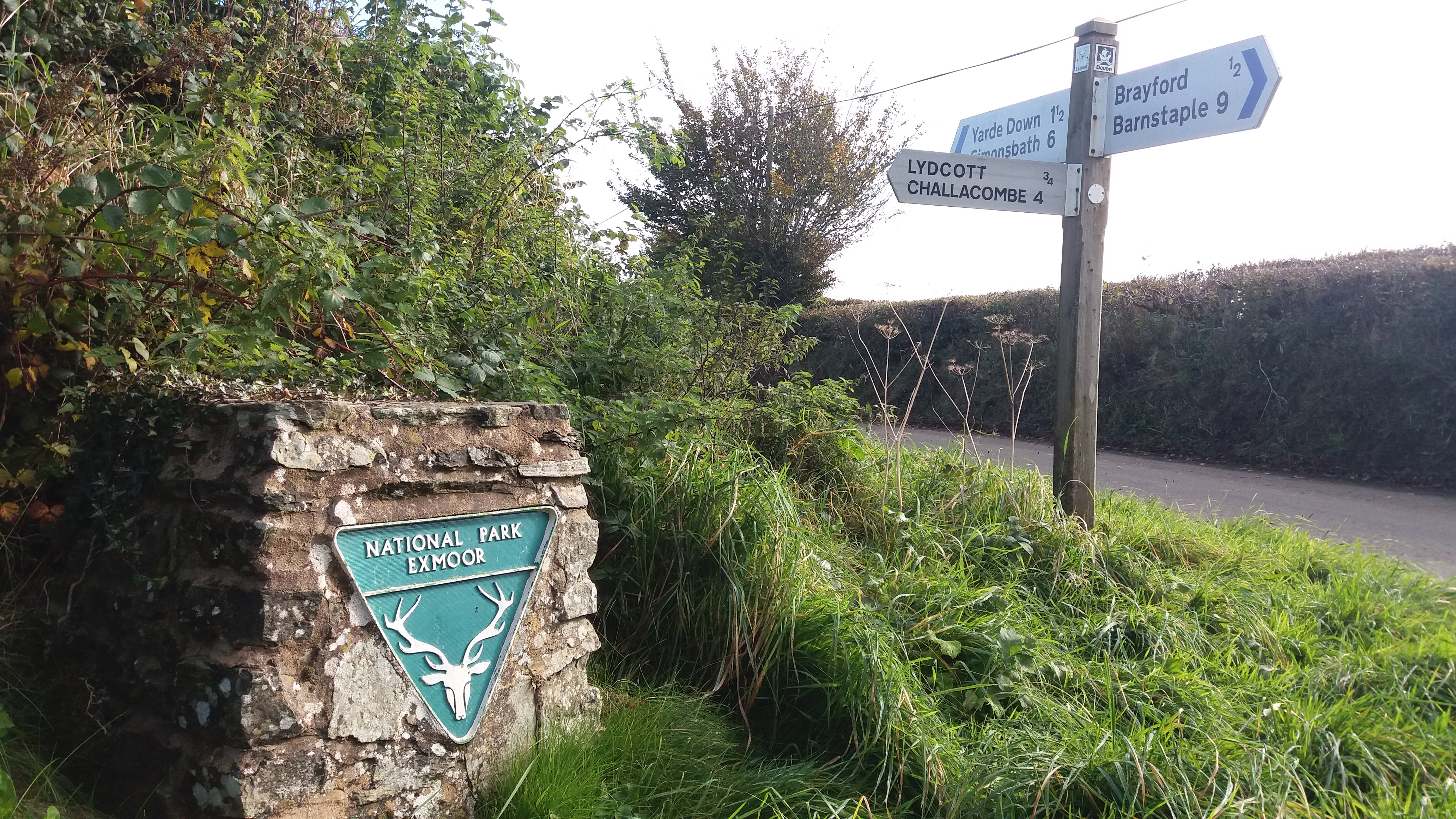
Brayford, on the edge of Exmoor
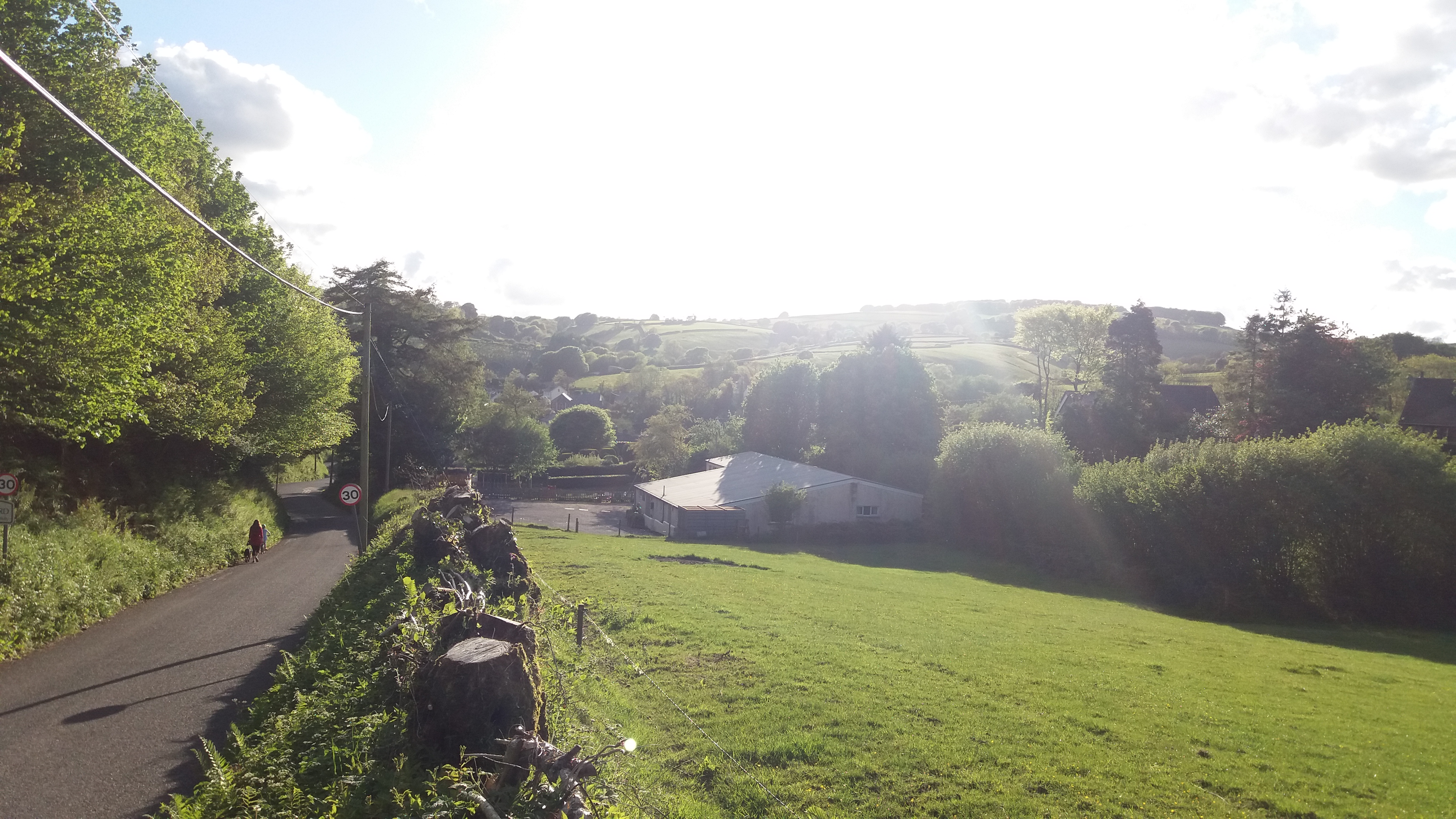
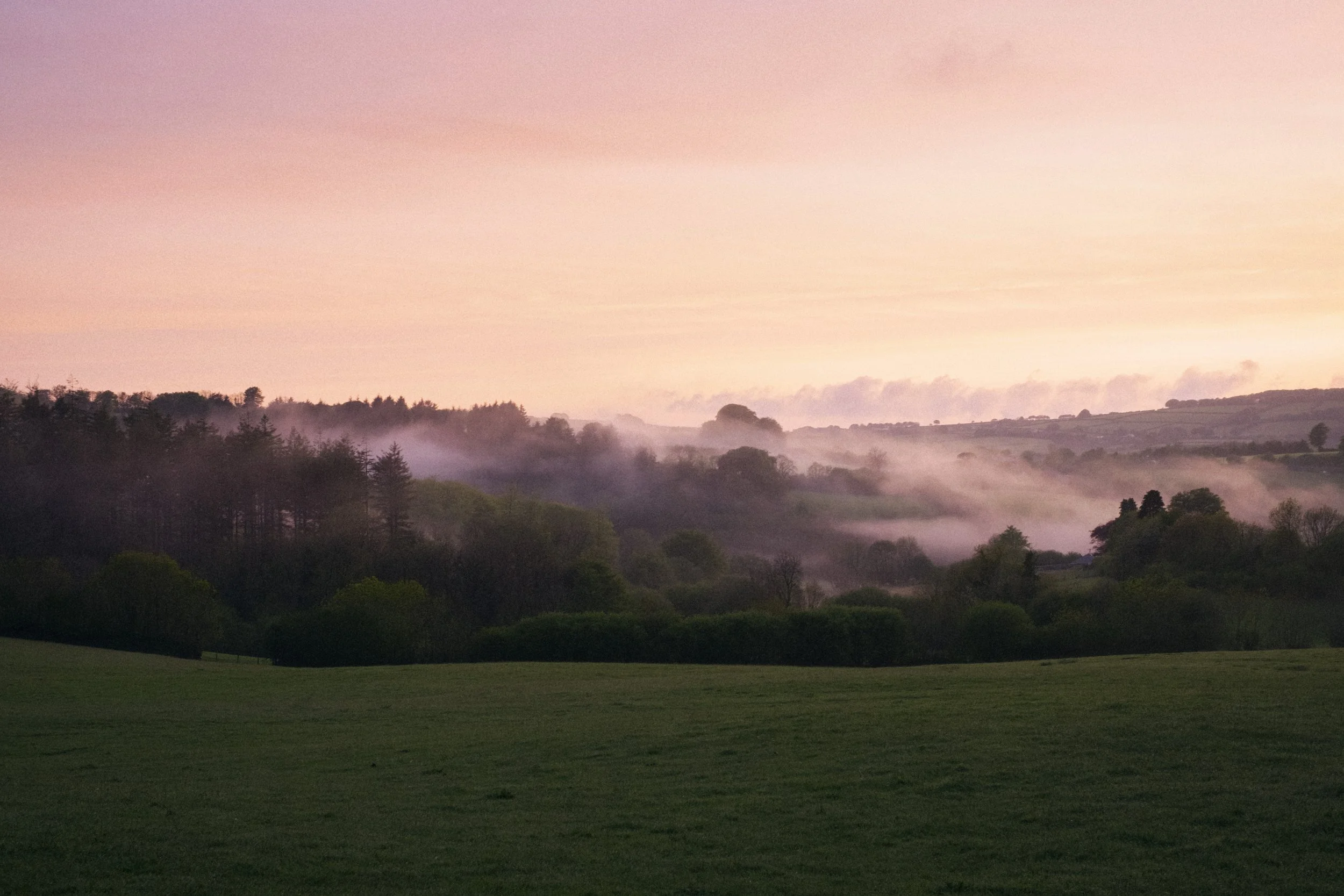
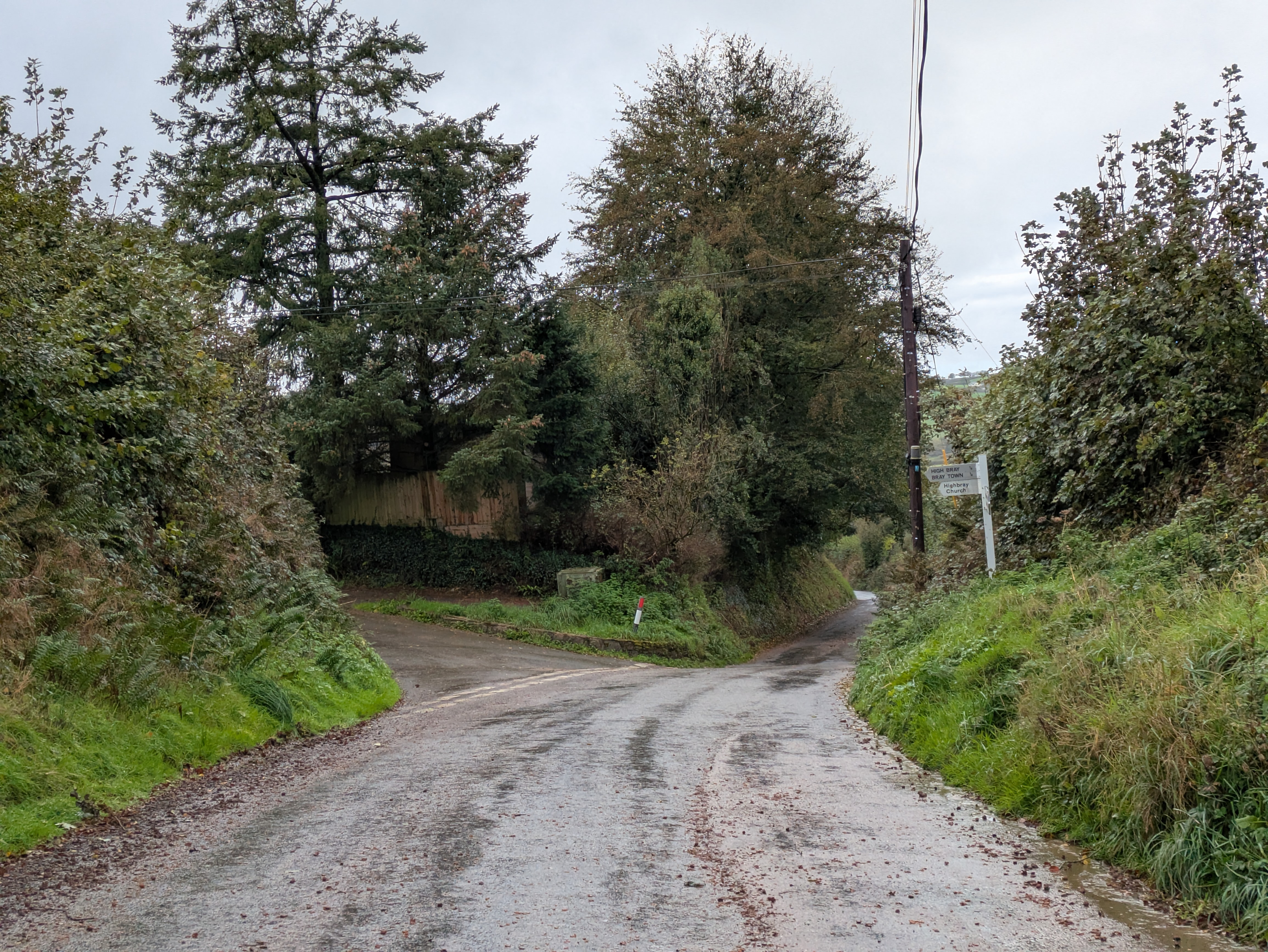
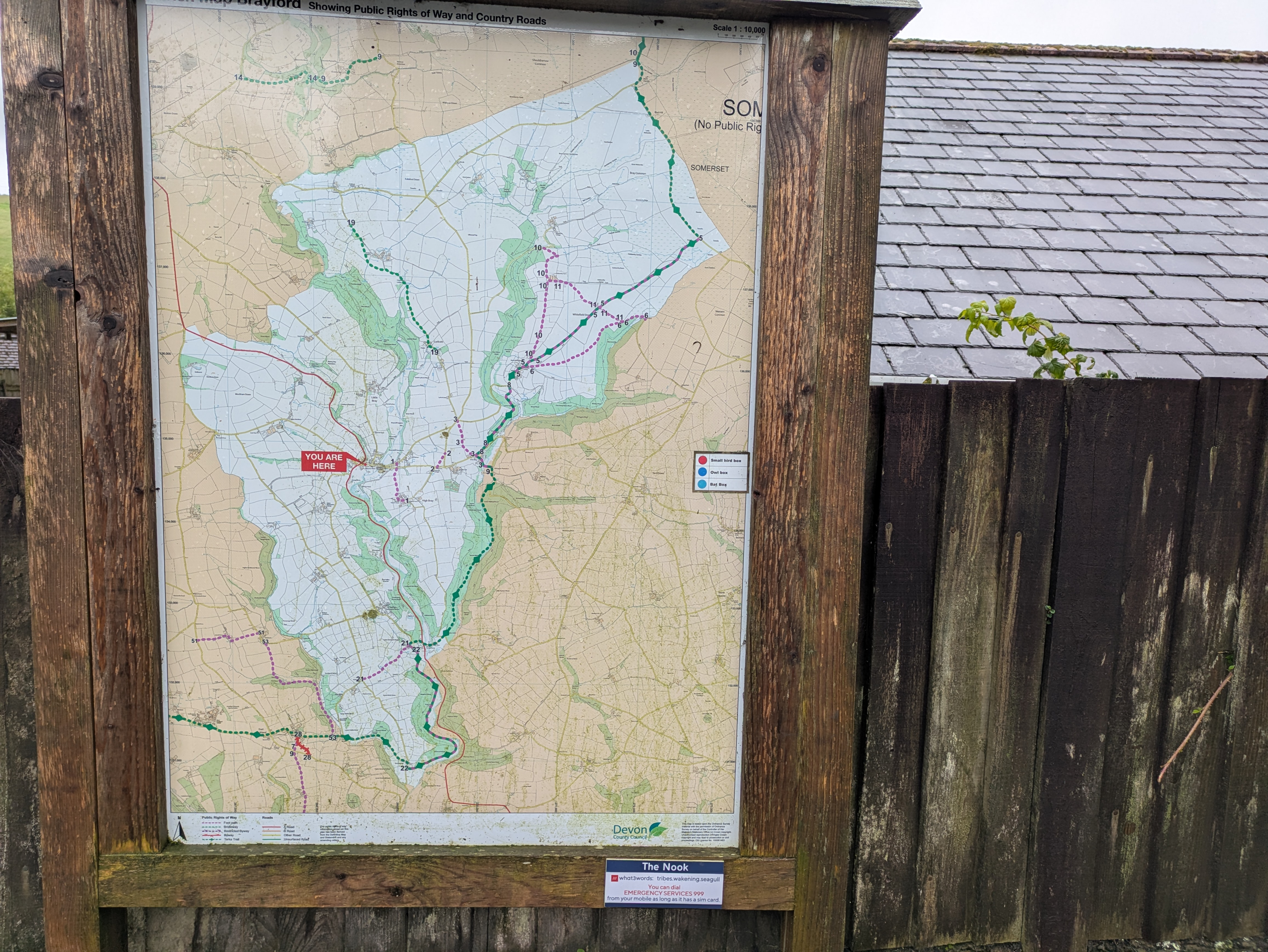
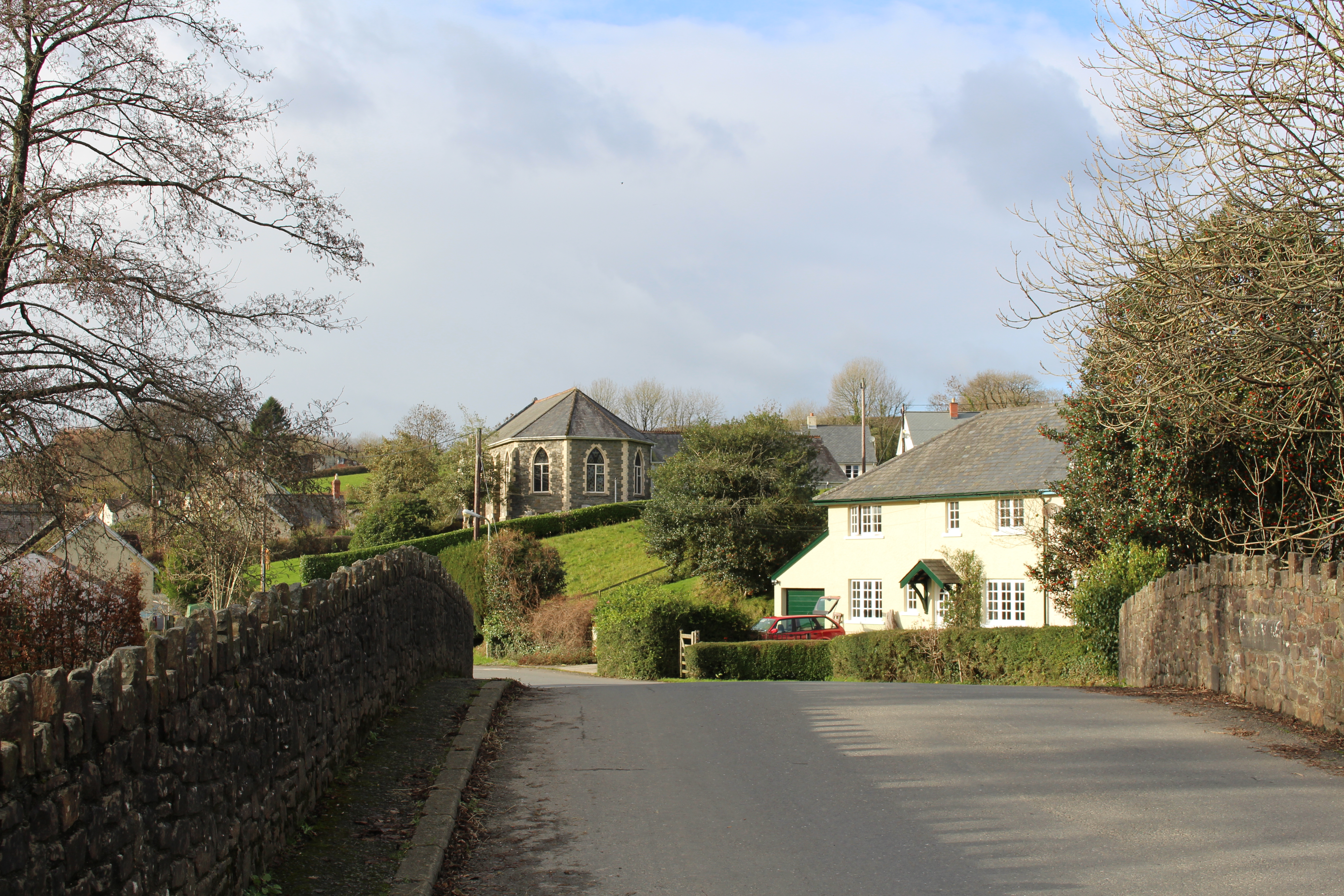
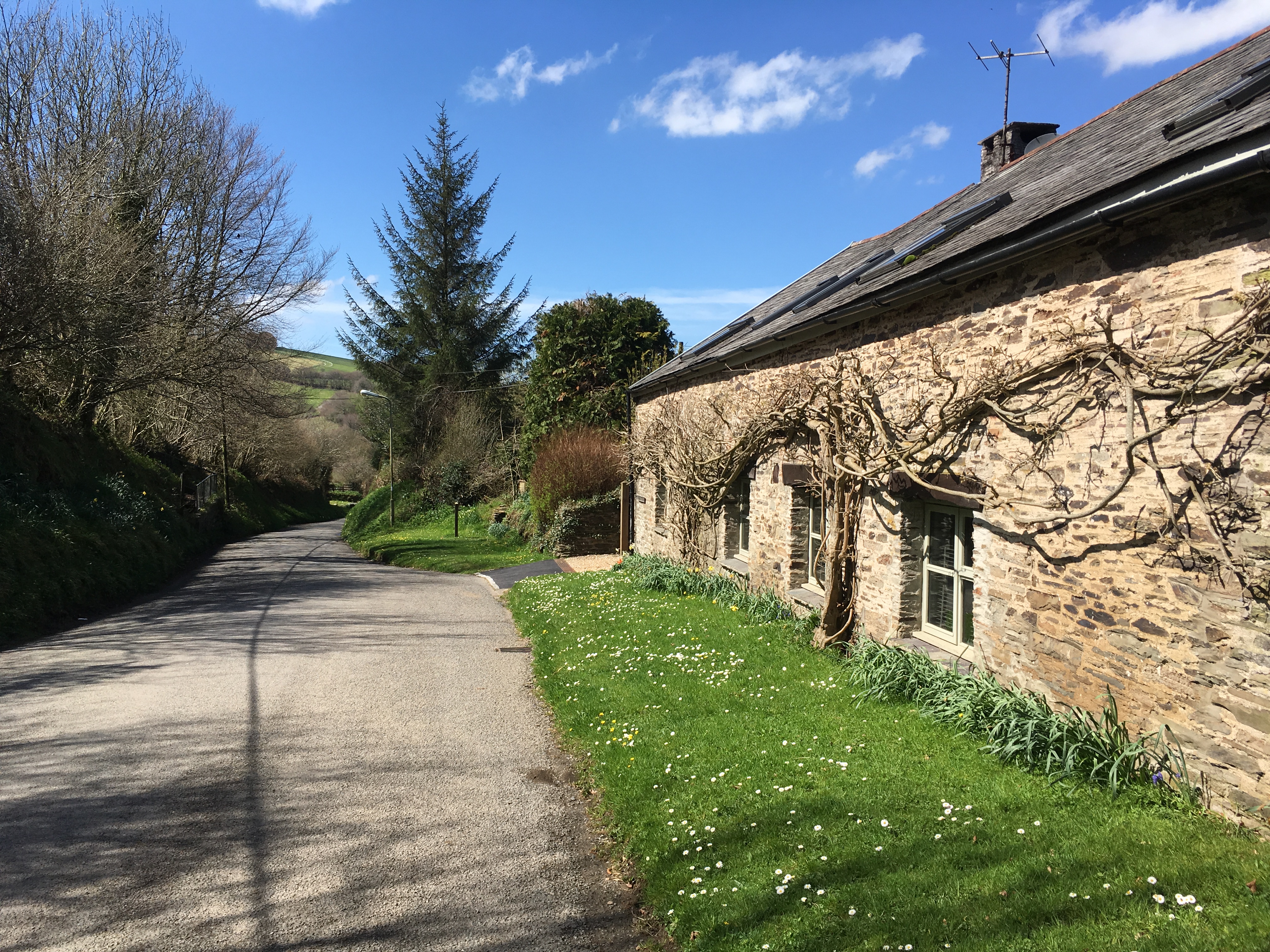
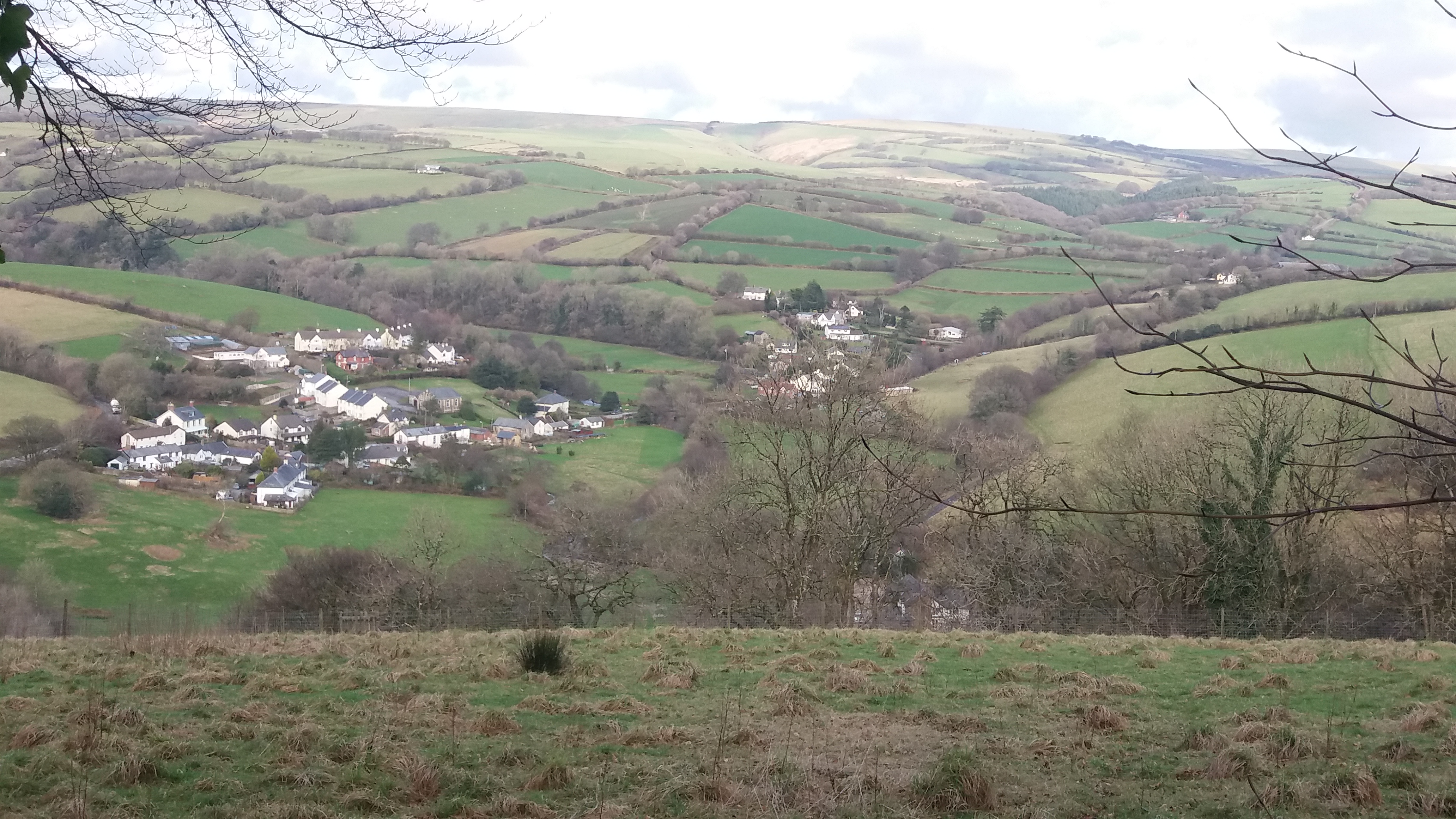
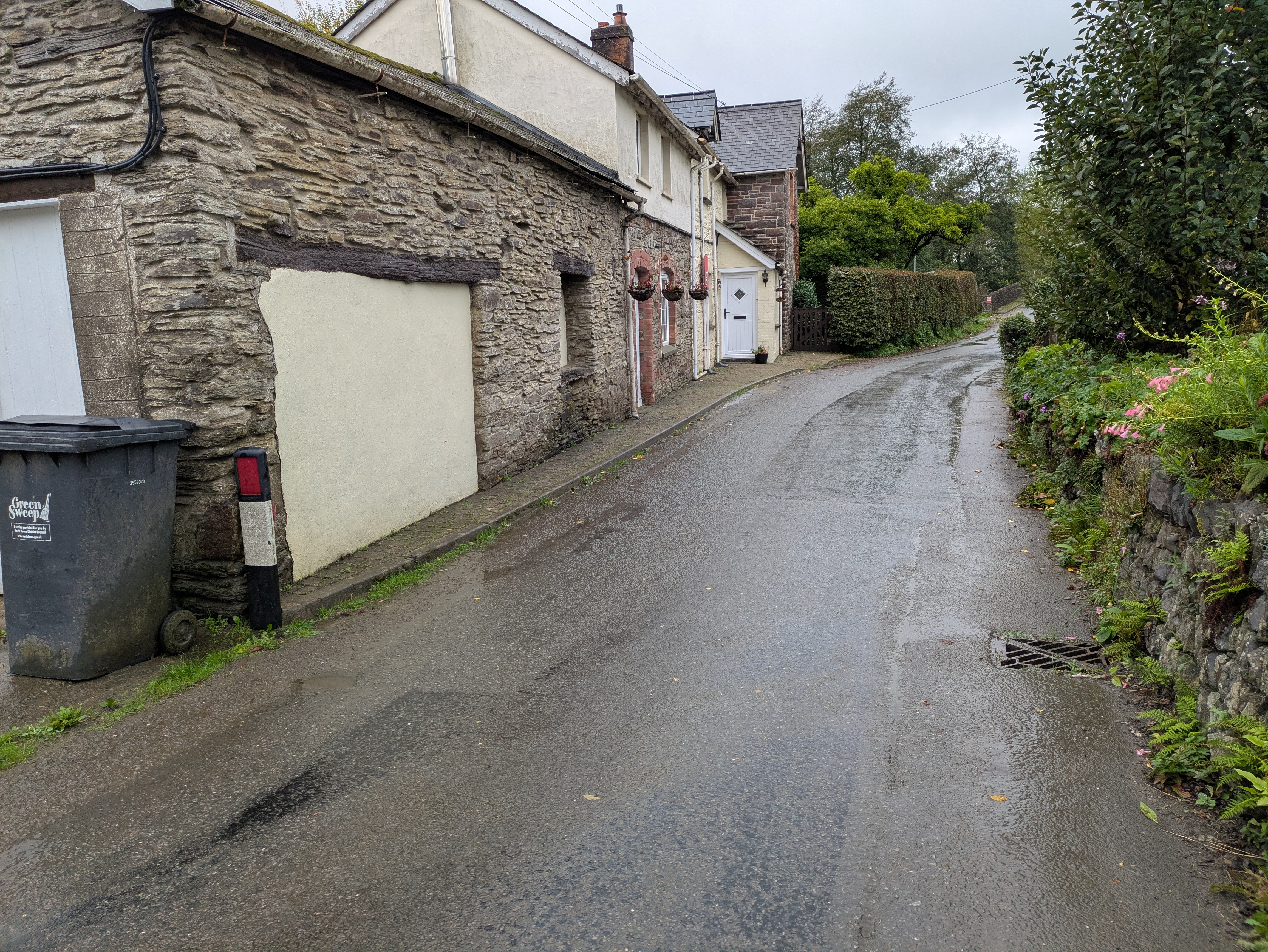
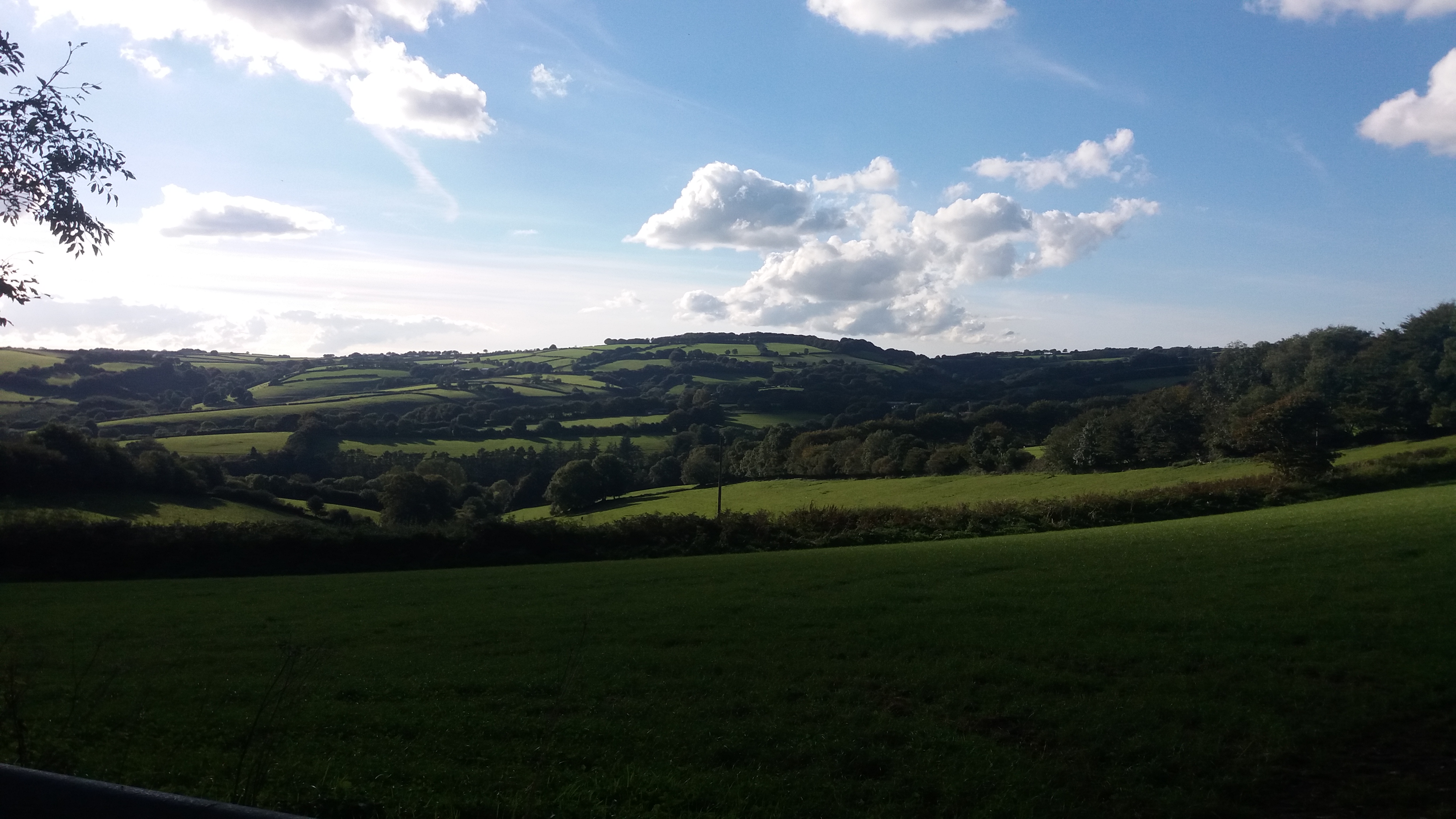
Ours is a small rural village surrounded by hills and woodland on the edge of Exmoor National Park. Narrow lanes wind up from the valley between high hedges, out to open hills and postcard-pretty farmland, and back down to rivers and streams bordered by ancient woodland.
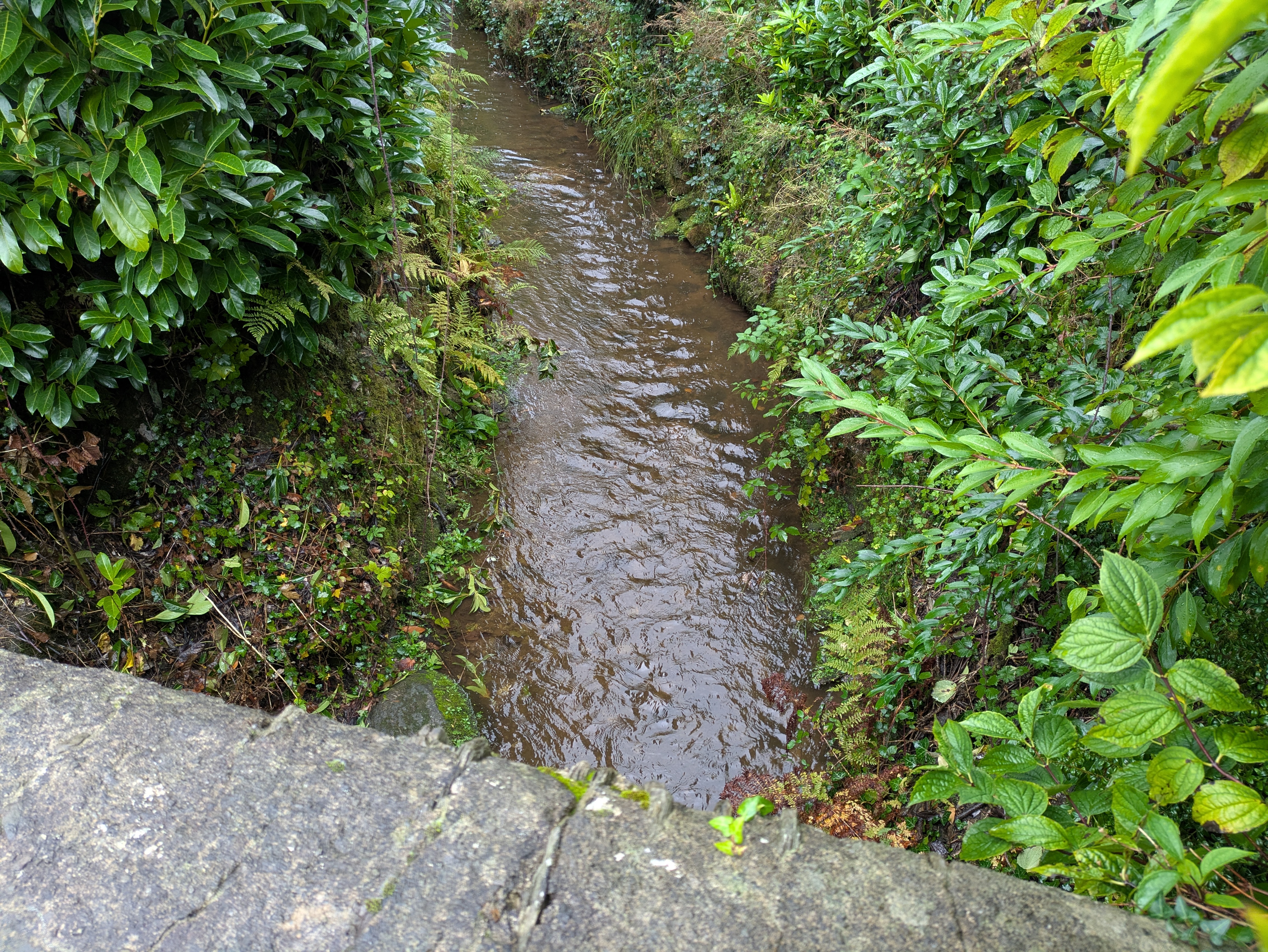
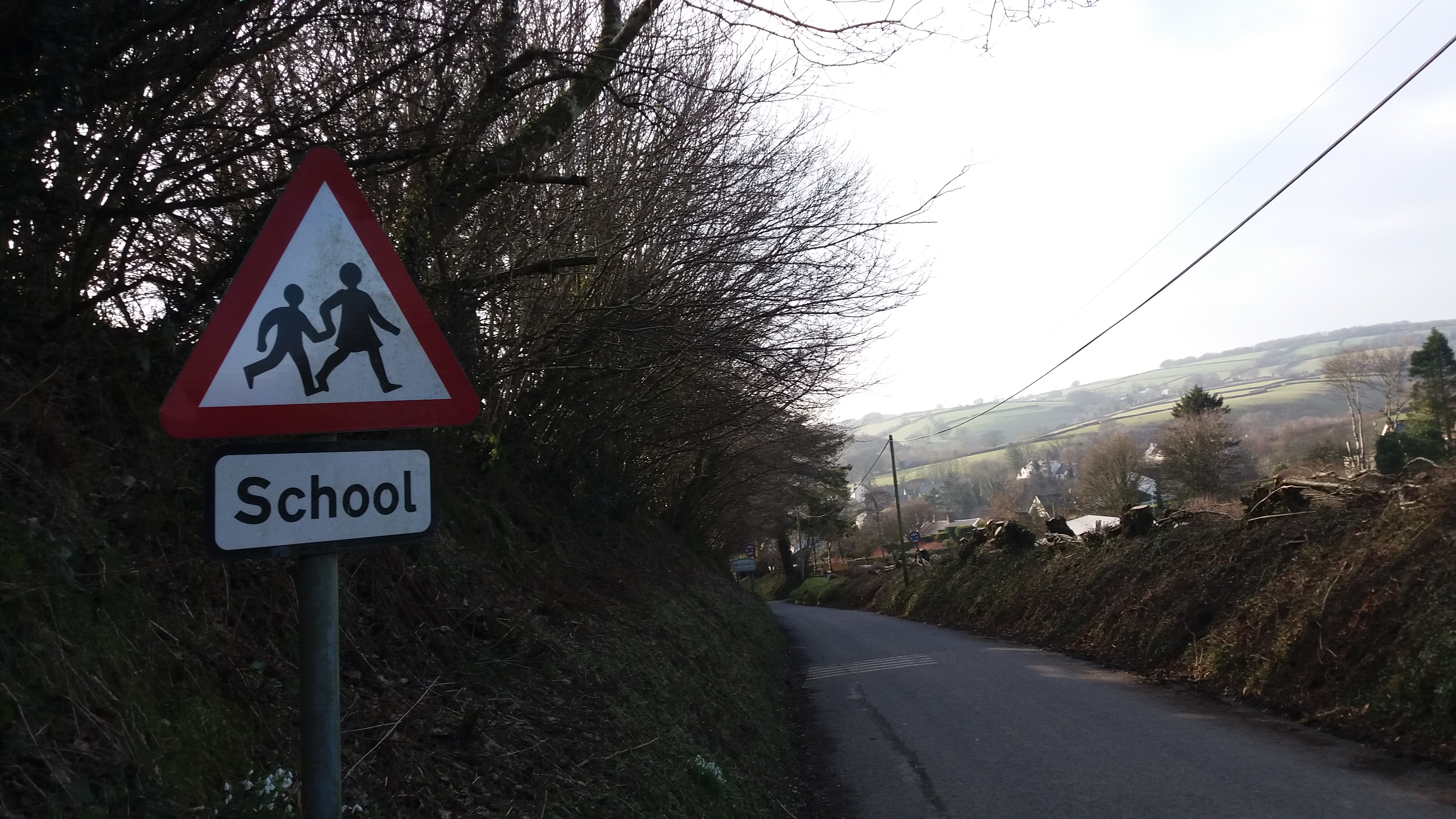
The River Bray and Hole Water carved these valleys. Trout live in the rivers, and salmon are reported too. In summer, local children play in the river by the bridge in the centre of the village. A small school, opened in 1876, with apple trees in the playground sits next to a village hall built by the community to serve the community. To many this place is idyllic.
With amazing views, clean fresh air (punctuated occassionally by the expected farming smells), dark skies and tranquility, it is that rare thing: a small English village largely untouched by the outside world. Loved by residents, walkers, cyclists and visitors.
And it has a proud farming history.
An objection is protection
Brayford is a rare Devon village.
It should be protected from development and the intensification proposed in the application.
Otherwise, there is a risk of damage to the environment, impact to residents' quality of life, and a reduction in the amenity the countryside offers residents and visitors.
A farming village
Brayford grew at a crossing of the River Bray, on the old packhorse and drovers’ route from Porlock to Barnstaple. For generations most of the village and the land around it belonged to the Little Bray Estate. When the estate was sold in 1919, 29 farms covering some 4,000 acres, with about 1,400 acres of common, passed into individual ownership. Farm names from that sale, such as Holewater, Beara, Lydcott, Muxworthy and Shutescombe, are still found across the parish.
The land shaped the farming
Here, where more than a third of the parish has lain within the National Park since 1954, the Park Authority describes the land as “favouring extensive livestock farming… primarily sheep and cattle”, much of it permanent pasture. Across the entire South West of England, pig and poultry units only make up about 5% of farms.
What is proposed here is not the traditional farming that shaped this land, it is something else: 4 sheds, each the length of a football pitch, holding 176,000 birds and sending more than a million to slaughter every year. The law treats it as an intensive/industrial installation needing an Environment Agency permit. When you look at the farms in this area you can see intensive, industrial farming doesn't fit the area's ancient patchwork fields.


A history of growth
In 2001, the land where the poultry houses now stand was open fields. In 2005, the Council refused two applications for poultry houses because of “the smell and distance” from neighbouring homes. In 2006 it approved two houses on amended plans, and in 2008 two more, so by 2010 four houses can be seen. In 2012 the houses were extended.
A Megafarm on the horizon?
In 2026 the applicant applied to North Devon Council for planning permission and to the Environment Agency for a permit. They plan to replace the four free-range houses, which hold about 40,000 birds at a time, with sheds holding 176,000 birds, permanently indoors for 38 day crop cycles (though the scale wasn't mentioned in the application).
From two barns to a Megafarm
Out of character
This industrial-scale production will run around the clock, day and night throughout the year, for years, possibly decades. Depending on the stage of the crop and the weather, odour, dust and ammonia could carry towards Withygate Lane and Molland Hill, up to High Bray, or down into Brayford’s valley, where still air often stays settled.
Smell and pollution could hang over homes, gardens and lanes, and over an ancient woodland already above its pollution limits. Aside from the negatives of pollution, odour, ammonia, dust, traffic, reduced amenity, and risks to health, this development is out of character and out of scale with a small countryside parish on the edge of Exmoor.
A view of Higher Hall Farm
In this video we look across foreground fields that form part of Exmoor, over to the farm. The hillside drops down to a road called Holewater Hill, then rises back up the hillside the farm sits on. To the right of the farm is the field the new barns would extend 85 metres in to. This one field looks different to those on the hillsides around it, if the proposal goes ahead it will fill two fields with buildings.
The tiny village of High Bray can be seen off to the right. Here residents already complain of noise and smells from the current, much smaller, operation.


An objector's position
Why all this information?
This analysis and objection is here to help residents (and decission makers) understand what is proposed: its scale, and what it could mean for us, for local businesses, our roads and the countryside around the village. It is written with due respect for farming and for the family who run the farm.
To be absolutely clear, this is not an objection to farming. The author agrees that farming is essential, that the UK needs to improve its food security, and that large-scale production is part of how the country is fed. As several have said, "you want cheap chicken, this is the price you pay".
However…
The costs of this scheme would fall on the people who live here, while the benefits go elsewhere. The local return of 2 full-time jobs and more revenue for suppliers simply isn’t an acceptable trade-off, especially if other possibilities exist.
This report shows why broiler production on this intensive scale does not suit this location: a hillside above a village in a valley, served by a single narrow road past a school, next to Exmoor National Park and close to susceptable ancient woodland. The report also draws attention to the fact that it's not just soil, water, trees and lichen affected. The health of local children and elderly residents can suffer too.